Travel/Wildfires & tourism—
By Isobel Charle, producer, Oregon News Service, bureau of Public News Service.
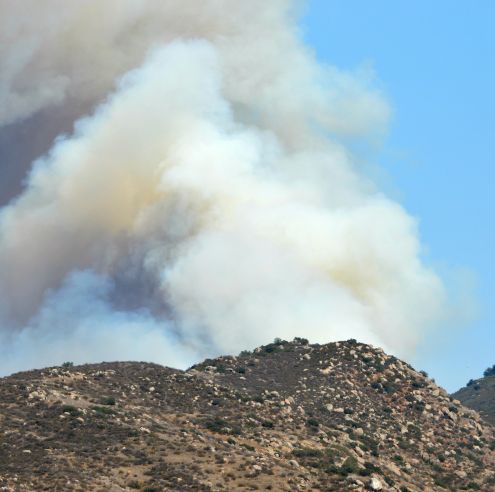
This year has been Oregon’s largest wildfire year on record, and for the state’s small, tourism-dependent communities, wildfires bring economic and emotional consequences long before any flames reach their doorstep.
Many towns have been under evacuation warnings for weeks this summer, emptying them of tourists and leaving locals without income.
In Government Camp, a village on the slopes of Mount Hood, Julia Williams is the founder and president of the Upward Spiral Collective, a mental health and suicide prevention nonprofit. Williams said mountain communities like Government Camp have higher-than-average rates of depression and suicide, challenges that can get worse when fires rage nearby.
“When the tourists aren’t coming up, we start having to whittle down. Say at the resorts, they have multiple restaurants and multiple bars. They’ll have to close some of them and funnel people towards the other ones. That leaves an entire town without work,” Williams said.
Williams added that since employers’ needs get more sporadic during wildfire season, it’s hard for people to receive steady unemployment benefits to keep paying their bills. Williams says financial help from the state to get people through smoke season would go a long way.
Sierra Kos is the co-executive director of Extreme Weather Survivors, a nonprofit Kos started after witnessing the 2020 Labor Day fires in Oregon. Kos said the organization has interviewed survivors of floods, storms and fires across the country to better understand how to support them.
“I think most Americans really, really want investments and want their tax dollars used to help keep them and their families safe, especially in an environment where there’s more and more communities on fire,” Kos said.
Kos criticized the Trump administration for systematically dismantling agencies, cutting jobs and slashing budgets that help communities survive disasters. Kos added that in order to make the best disaster policies, survivors need a seat at the table.
“Survivors trust each other. If you’ve lived through this, you are best equipped to guide future policy work to prevent future disasters or to recover,” Kos said.